


Benefits of Yoga in Cricket – How Yoga Transforms a Cricketer's Game


Benefits of Yoga in Cricket – How Yoga Transforms a Cricketer's Game
Table of Contents
Cricket is a game that demands strength, stamina, flexibility, balance, and a calm mind. Players must stay focused for long hours, react quickly to every ball, and protect themselves from injuries throughout the season.
But have you ever wondered what separates a good cricketer from a great one? Beyond skill and practice, it is the ability to control the body and mind together — and this is exactly where Yoga steps in.
Does everyone know how Yoga can improve a cricketer's performance? What poses should cricketers practice? How does pranayama help on the field? Can Yoga prevent cricket injuries?
Most of you will say yes to some of these questions, and most of you will say no to others.
So, our purpose is to educate and help each other continually. Today, let us discuss Yoga for Cricket Players.
What is the right way to practice, what are its benefits, what poses work best, and what precautions should cricketers keep in mind?
How To Do Yoga for Cricket Players
Cricketers can practice yoga daily for 20–40 minutes. It is best to practice in the morning on an empty stomach or in the evening after a light gap from meals.A simple daily routine can include:
1. Warm-up stretches
2. Surya Namaskar sequence
3. Balance poses
4. Breathing exercises like pranayama
5. Relaxation at the end
Beginners should start slowly and increase the duration gradually. Consistency is more important than intensity — even 20 minutes daily can produce remarkable results over time.
Benefits of Yoga for Cricket Players – Physical and Mental
Yoga benefits cricketers both on and off the field. The benefits of yoga are not only physical but also deeply mental, which makes it a perfect training tool for cricket players of all levels.Physical Benefits
Improved body strength and stamina: Yoga builds functional strength that directly supports batting, bowling, and fielding movements.Enhanced flexibility: Greater range of motion reduces muscle strain and allows cricketers to move more freely and efficiently.
Reduced injury risk: Regular yoga practice strengthens joints and connective tissues, helping avoid common cricket injuries to the back, shoulders, and knees.
Better posture and balance: Strong postural muscles improve a batsman's stance and a fielder's agility.
Weight management: Yoga supports healthy body composition, keeping players fit and light on their feet.
The surya namaskar benefits include full-body stretching, better blood circulation, stronger muscles, and improved endurance — making it one of the most complete exercises for any cricketer.
Mental Benefits
Increased concentration: Yoga trains the mind to stay present, which directly improves focus while batting or fielding.Better patience and decision-making: A calm mind thinks clearly under pressure — crucial in tight match situations.
Stress relief: Yoga helps manage the performance anxiety that cricketers feel before and during matches.
Improved sleep and recovery: Deep relaxation techniques speed up physical and mental recovery after intense matches.
Emotional control and confidence: Regular yoga practice builds inner stability, helping players bounce back from failures quickly.
These mental and physical benefits of yoga make players more consistent and reliable in their performance across long series and tournaments.
Role of Pranayama in Cricket
Pranayama means controlled breathing. It is one of the most powerful and underused tools available to cricketers, improving both lung capacity and oxygen supply to muscles during play.Benefits of pranayama for cricketers:
Better stamina: Controlled breathing improves endurance while running between wickets and during long spells of bowling.
Calm mind in tense situations: Deep breathing activates the parasympathetic nervous system, reducing panic and improving clarity.
Reduced anxiety before matches: Pre-match pranayama lowers cortisol levels and settles nerves effectively.
Faster recovery: Breathwork after physical exertion helps the body return to its resting state more quickly.
Breathing exercises like Anulom Vilom (alternate nostril breathing) and Bhramari (humming bee breath) are especially helpful for cricketers who need to stay calm and focused under sustained pressure.
5 Simple Yoga Poses for Cricketers
1. MOUNTAIN POSE (Tadasana)

Tadasana is the foundation of all standing yoga poses. It looks simple but teaches the body proper alignment from the ground up.
To perform this pose, stand with your feet together or hip-width apart. Press all four corners of your feet firmly into the ground. Lengthen your spine upward, roll your shoulders back and down, and let your arms hang naturally at your sides with palms facing forward.
Engage your thighs slightly, draw your navel gently inward, and breathe deeply. Hold the pose for 30–60 seconds while maintaining steady, even breaths.
Benefits: Tadasana improves posture, strengthens the legs and core, and trains the cricketer's body to stand in perfect balance — directly improving batting stance and fielding readiness.
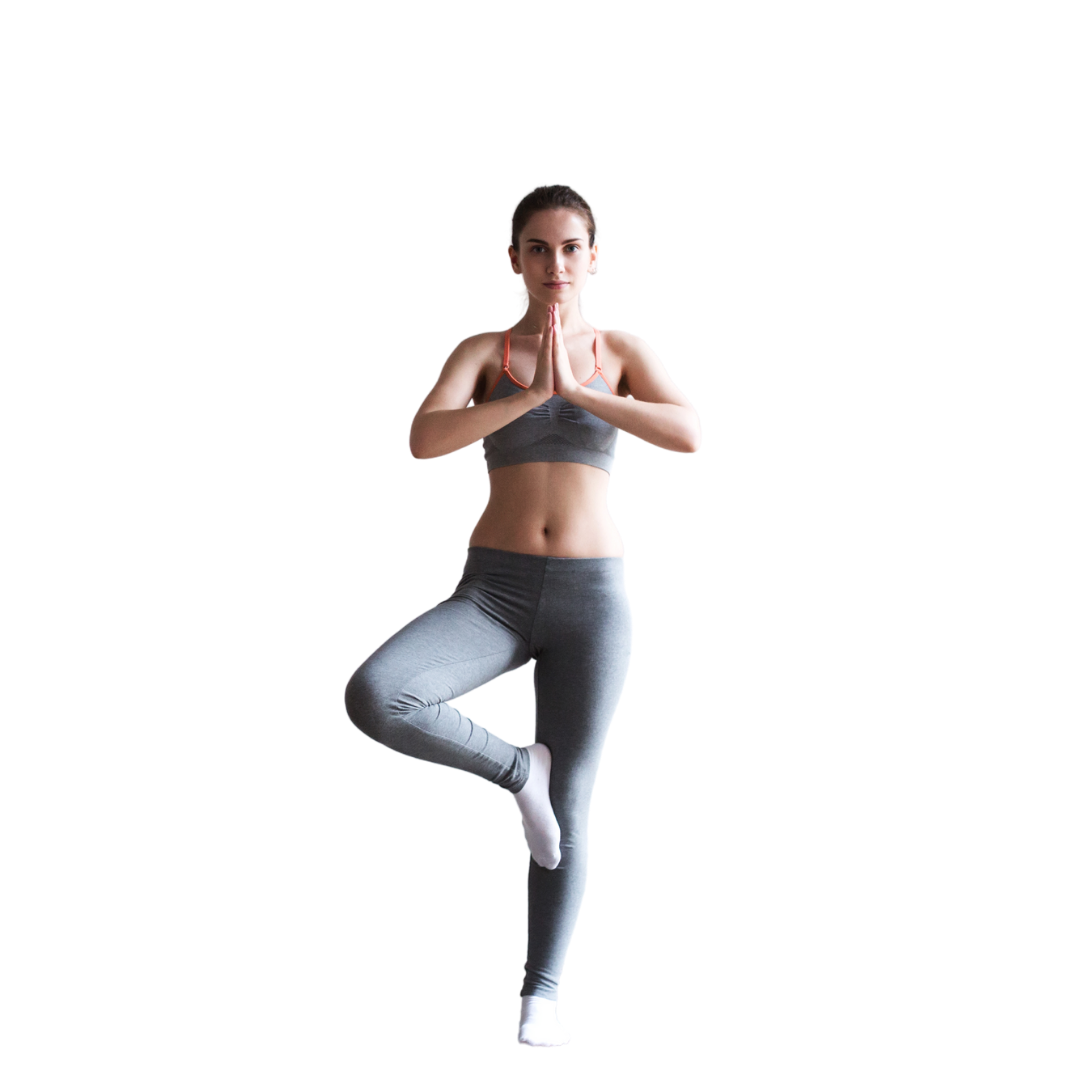
2. TREE POSE (Vrikshasana)

Vrikshasana is a single-leg balance pose that mimics the stillness and focus required during close catching and ground fielding.
To perform this pose, stand in Tadasana. Shift your weight onto your left foot and slowly lift your right foot, placing the sole against your inner left thigh or calf — never against the knee. Bring your hands together in a prayer position at the chest or raise them overhead.
Fix your gaze on a still point in front of you to maintain balance. Hold for 30–60 seconds and then switch sides.
Benefits: Vrikshasana strengthens the ankles, knees, and hips while dramatically improving balance and concentration — essential qualities for fielders and wicketkeepers.
3. COBRA POSE (Bhujangasana)

Bhujangasana is a gentle backbend that directly targets the spine, shoulders, and chest — areas heavily used in bowling and throwing.
To perform this pose, lie face down on your mat with your legs extended and the tops of your feet pressing into the floor. Place your palms flat on the mat just below your shoulders. On an inhale, slowly lift your chest and head off the floor by pressing through your palms, keeping your elbows slightly bent.
Keep your shoulders relaxed away from your ears and your lower body grounded. Hold for 5–10 breaths and slowly lower down on an exhale.
Benefits: Bhujangasana strengthens the back muscles, opens the chest and shoulders, and improves spinal flexibility — helping fast bowlers and fielders avoid back strain and shoulder injuries.
4. TRIANGLE POSE (Trikonasana)

Trikonasana is a powerful lateral stretch that improves the body's ability to move in multiple directions — a key requirement in cricket fielding.
To perform this pose, stand with your feet wide apart. Turn your right foot out 90 degrees and your left foot slightly inward. Extend your arms parallel to the floor. On an exhale, reach your right hand down toward your right shin, ankle, or the floor, and extend your left arm straight up toward the ceiling.
Keep both legs straight and your chest open. Hold for 5–10 breaths, then repeat on the other side.
Benefits: Trikonasana improves lateral flexibility, strengthens the legs and core, and enhances the body's ability to stretch and dive — making it ideal for fielders who need to cover ground quickly.
5. SUN SALUTATION (Surya Namaskar)

Surya Namaskar is a dynamic sequence of 12 yoga poses that works the entire body in one flowing movement. It is one of the most complete forms of exercise available to any athlete.
To perform this sequence, begin in Tadasana at the top of your mat. Flow through the 12 poses in sequence — from a forward fold to a plank, down to the floor, through a cobra, into a downward dog, and back to standing — coordinating each movement with an inhale or exhale.
Start with 4–6 rounds and gradually build up to 12 rounds. Practice at a steady pace in the morning for best results.
Benefits: Surya Namaskar improves full-body strength, cardiovascular endurance, joint mobility, and breath control — giving cricketers a complete warm-up and workout in a single sequence.
Yoga and Weight Loss for Cricket Fitness
Fitness is a non-negotiable part of modern cricket. Yoga helps control body weight naturally by improving metabolism, digestion, and discipline around eating habits.The link between yoga and weight loss is strong because consistent practice regulates the hormones that control hunger and fat storage. Fast-paced sequences like Surya Namaskar and dynamic standing poses burn calories effectively while also building lean muscle.
Combined with a proper, balanced diet, yoga helps cricketers maintain their ideal playing weight and stay energetic across long and demanding seasons.
Contraindications and Precautions for Cricketers
Although yoga is generally safe for most people, cricketers should follow these important precautions:Do not force stretches beyond your comfort level: Pushing too hard causes strain rather than benefit.
Avoid difficult poses if you have existing injuries: Consult your physiotherapist before attempting advanced poses with a current injury.
Practice under guidance if you are a beginner: A qualified yoga teacher will ensure your technique is correct and safe from the start.
Stop immediately if you feel sharp pain or dizziness: These are warning signals from your body — never ignore them.
Players with back or knee problems should seek medical advice first: Some poses place load on these areas and may not be appropriate for everyone.
Proper technique prevents injury and ensures you receive the full benefits of yoga in your training.
Follow-up Asanas After Practice
After the main yoga session, cricketers should always cool down with gentle, restorative poses. Skipping the cool-down is one of the most common mistakes athletes make.Shavasana (Corpse Pose): Lie flat on your back with arms by your sides and eyes closed. Breathe naturally and allow your entire body to completely relax for 5–10 minutes. This pose restores the nervous system and allows the body to fully absorb the benefits of the practice.
Pawanmuktasana (Wind-Relieving Pose): Lie on your back and draw both knees into your chest. Rock gently side to side. This pose releases tension in the lower back and improves digestion — both important for cricketers who spend long hours on their feet.
Gentle spinal twists: Lie on your back, draw one knee into the chest, and let it fall across the body to the opposite side while extending the same-side arm. Hold for 30 seconds each side to release the spine after physical exertion.
These follow-up asanas help the body recover faster after training sessions and matches, reducing muscle soreness and preparing the body for the next day of play.
Yoga – A Boon for Every Cricketer
Doing yoga regularly can genuinely transform a cricketer's game. Yoga brings the body and mind together in a way that conventional gym training simply cannot.
It reduces stress, sharpens concentration, builds functional strength, and keeps players feeling fresh and injury-free across long seasons. From pranayama for composure under pressure to simple yoga poses for flexibility and balance, yoga supports every single aspect of a cricketer's performance.
So, if you want to take your cricket to the next level naturally and sustainably, begin a simple yoga practice today. Even 20 minutes a day can produce results that will show on the field.
It is a simple, natural, and powerful way for every cricketer to stay at their best. For the latest cricket news, match updates, and in-depth analysis, visit Batting First — your go-to destination for everything cricket.

क्या आप योग में करियर बनाने को लेकर "Confuse" हैं?
Join Free Webinar By Maneesh Sir
- Know About Opportunities in the Growing Yoga Sector.
- Learn from a Yoga Teacher with Over 15 Years of Experience.
- Special Offer for Webinar Attendees.
